
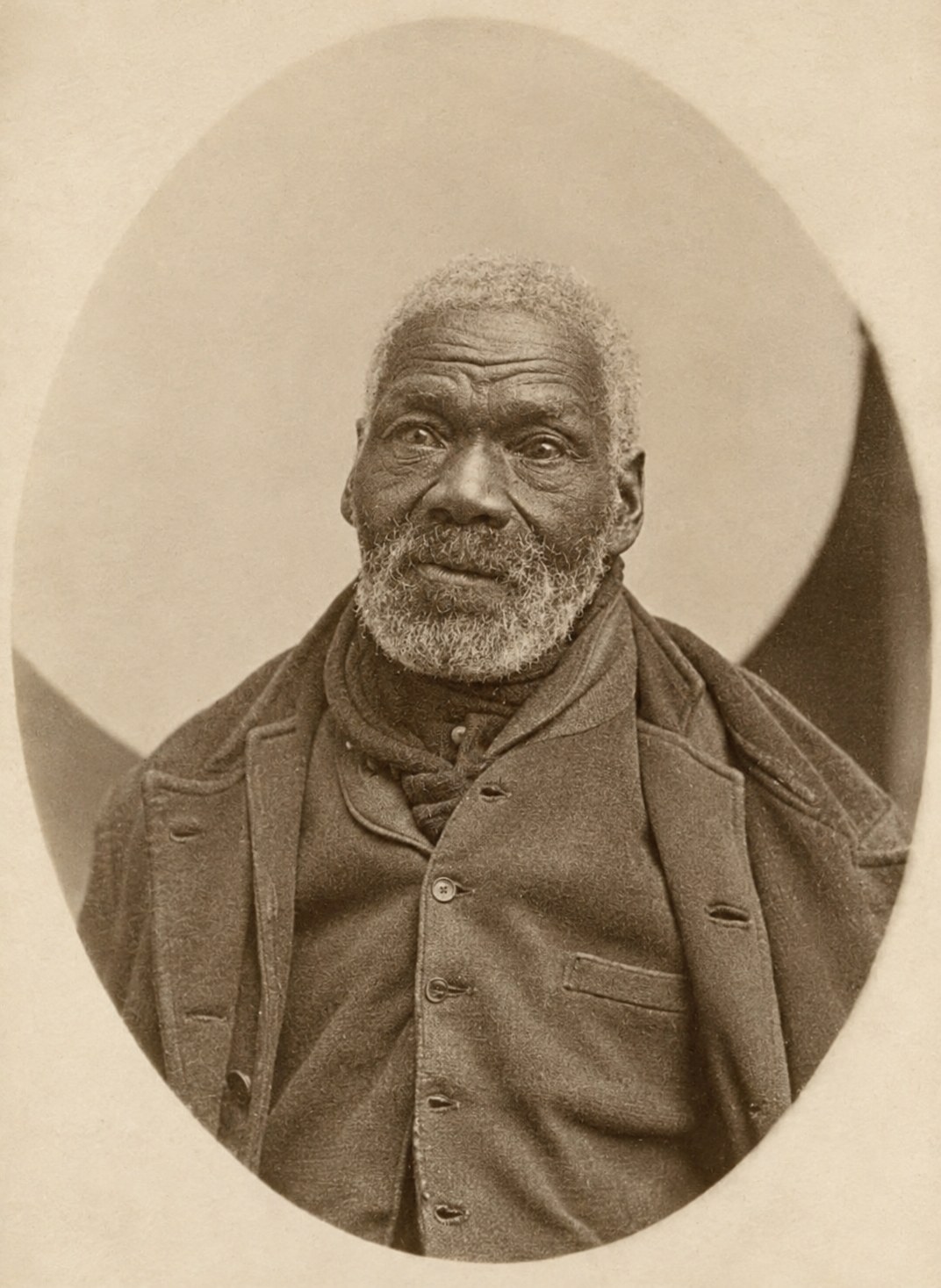
In the Spring of 1814, as hostilities continued between Britain and the United States, the British Vice Admiral Alexander Cochrane issued a proclamation: “all those who may be disposed to emigrate from the United States, will, with their families, be received on His Majesty’s Ships… when they will have their choice of either entering into His Majesty’s Sea or Land Forces, or being sent as free settlers to the British Possessions in North America or the West Indies, where they will meet with due encouragement.”
To enslaved people in the United States, the meaning was clear. If they could escape, they would be carried to British territory, where the slave trade had been abolished seven years earlier. For the British, Cochrane’s motivations were connected to its conflict with the United States: taking in people who escaped slavery deprived the Americans of labour and property and disrupted their economy.
Over 3,000 people took the risk, escaping to board British ships or make their way north. Somewhere between 1,600 and 2,000 of these refugees ended up in Nova Scotia, many arriving at Halifax. Even as the war wound down in early 1815, more were arriving.
The refugee camp on Melville Island
Halifax was poorly prepared, but Melville Island had just been emptied of its American prisoners of war. The long prison building was repaired, whitewashed and put to new use. Records show that in the summer of 1815 around 70 Black refugees were moved from Halifax’s Poor House to Melville Island, and as more arrived in the harbour they were taken straight to the island.
For people who had already endured so much, Melville Island must have been a hard place: hammocks to sleep in, and harsh winters. Records show, however, that they were fed better than the prisoners before them, with meat, bread and even coffee. To prevent scurvy they were given spruce beer, made with molasses. The British rehired the turnkeys and groundskeepers who had run the prison, and employed some of the refugees to run boats to and from the island each day.
Men housed at Melville could leave the island to look for work, but many were forced back in winter, when they suffered in the poorly insulated prison. The British eventually issued warm clothing and hammocks. The clothing was the confiscated uniforms of American prisoners, so the refugees, possibly including women and children, were dressed in bright yellows, blues, greens and reds.
After Melville Island
The British granted land to the refugees in Preston, Beech Hill and elsewhere. Hardship did not end when they left the island: the war had brought an economic downturn, and the following year was the “year without a summer.” Many had little or no farming experience and ended up as sharecroppers, earning a bare living and open to exploitation by white landowners.
Despite this, the African Nova Scotian community that took shape in these years endured, and remains an essential part of Nova Scotia’s heritage today.
Recommended reading
- Brian Cuthbertson, Melville Prison and Deadman’s Island: American and French Prisoners of War in Halifax
- Iris Shea and Heather Watts, Deadman’s: Melville Island and its Burial Ground
- Heather Watts and Michele Raymond, Halifax’s Northwest Arm: An Illustrated History
- Dorothy and Carl J. Schneider, Slavery in America
- Lindsay Van Dyk, “Shaping a Community: Black Refugees in Nova Scotia”, Canadian Museum of Immigration at Pier 21
- Black Cultural Centre for Nova Scotia: Our History